
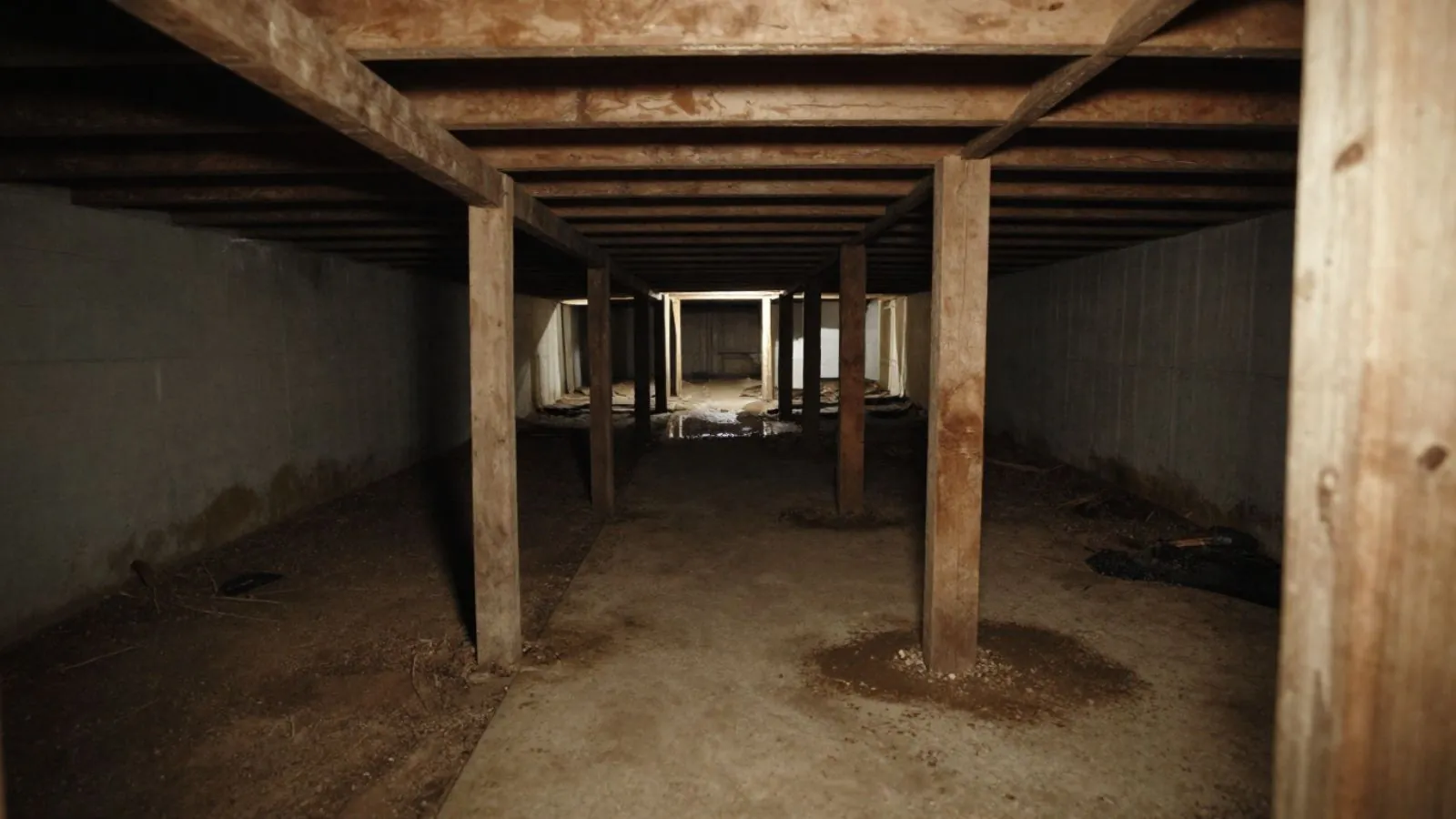
A house tour is short, and sellers know where buyers look. A fresh coat of paint on one ceiling, a new rug in the basement or an air freshener in a closet are all small clues. This guide helps Waukegan buyers look past the staging and ask the right questions before closing.
It is general information. A licensed home inspector and your real estate attorney decide what applies to your purchase.
What to look for during a walk-through
| Where | What to look for | What it may mean |
|---|---|---|
| Ceilings | Brown rings, fresh patches of paint, sagging | Past or active roof or plumbing leak |
| Basement walls and floor | White powder, stains, a waterline, new paint on lower walls | Seepage or past flooding |
| Floors | Cupping, gaps, soft spots, mismatched patches | Moisture under or on the floor |
| Under sinks and around the water heater | Rust, swollen cabinet bases, drip stains | Slow plumbing leaks |
| Windows and exterior walls | Peeling paint, stained sills, bubbling drywall | Window or siding leaks |
| Closets and corners | Musty smell, spots, damp carpet | Hidden moisture |
Smell matters. A basement or closet that smells damp, or one that smells strongly of air freshener, deserves a second look.
Ask for the paperwork
The Illinois seller disclosure form asks about specific conditions, including flooding or recurring leakage in a crawl space or basement, whether the property is in a floodplain, leaks in the roof or ceilings and material plumbing defects. Read the form carefully, and ask the seller about anything marked as known.
- Ask for repair invoices, plumber reports and any moisture or drying records.
- Ask whether an insurance claim was filed for water damage.
- Ask what permits were pulled for repairs, and check with the city.
- Ask whether the sump pump is original and whether there is a battery backup.
Hire an inspector who looks for moisture
A general home inspection can include a moisture meter and thermal camera, and you can ask the inspector to focus on basements, crawl spaces, attics and roof lines. A thermal camera shows cool, damp areas behind finished surfaces, though it does not prove water damage by itself. Ask for readings, not impressions.
If the inspector finds suspect areas, a restoration crew can assess the wet material and explain the scope. The structural drying page describes how that measurement works, and mold remediation explains the process if growth is found.
Use what you find in the negotiation
Active moisture, recurring leaks or unrepaired damage can be reasons to ask for repairs, a price change or a pause. Repaired damage with good records is a smaller risk than hidden damage with none. If a lender will not fund until a problem is fixed, the timeline matters, and we make no promise about lender decisions.
Waukegan buyer notes from primary sources
The City of Waukegan lists Permits and Property Transfer among its online services, so ask the city what permit and transfer records exist for the address you are buying.
The Near North Historic District, on the National Register since 1978, covers about 203 acres of buildings dating from the 1840s to 1928. In an older house, ask the seller whether plumbing and basement drainage have been updated, and ask for records.
For a house in a nearby village such as Wadsworth or Lake Villa, ask the village hall for permit records. Check the FEMA Flood Map Service Center for any address, and remember that flood insurance typically takes effect 30 days after purchase.
Questions to ask the seller and the agent
Walk-throughs show what is visible. Questions show what is not. Ask them early, in writing if you can, so the answers are on record.
- Has water ever entered the basement or crawl space, and when?
- Has the roof, a window or a pipe leaked, and who repaired it?
- Were permits pulled for any repair work?
- Has an insurance claim been filed for water damage?
- Is there a sump pump, and has it ever failed?
A seller who answers openly and hands over records is a good sign. A seller who changes the subject deserves a closer look. Ask the City of Waukegan about permit history, and if the home is in a village, ask the village hall. For what real drying work involves, read structural drying.
Timing helps you here. Schedule the walk-through on a day after rain if you can, because seepage and smells show up when the ground is wet. Ask to see the basement with the lights on and the furniture moved, and bring a flashlight for corners. A home that looks dry on a sunny day can look very different after a storm.
Do not rely on your nose alone, since sellers often run dehumidifiers and air fresheners before a showing. Notice a newly painted ceiling patch or a single new section of drywall, since fresh repairs near a bathroom or roof line deserve a question.
Frequently asked questions
Can a seller hide water damage?
The disclosure form asks about known conditions. An inspector and your attorney can help you look for signs the form does not mention.
What is the biggest clue in a basement?
A waterline on the wall, new paint only on the lower walls and a damp smell are common ones. White powder on masonry points to moisture passing through.
Should I walk away from a house with a past leak?
Not necessarily. A repaired leak with records and dry readings is often manageable. Active moisture without a known cause deserves caution.
Do I need a flood certificate or insurance?
Check the FEMA map for the address, ask your lender and ask your insurer. Flood coverage typically has a 30-day wait.
Can I ask for moisture readings on a house I do not own yet?
Often yes, as part of an inspection. Ask your inspector and agent how to arrange it.
Describe the stains or smells you saw. Dispatch can explain what a moisture check involves.