
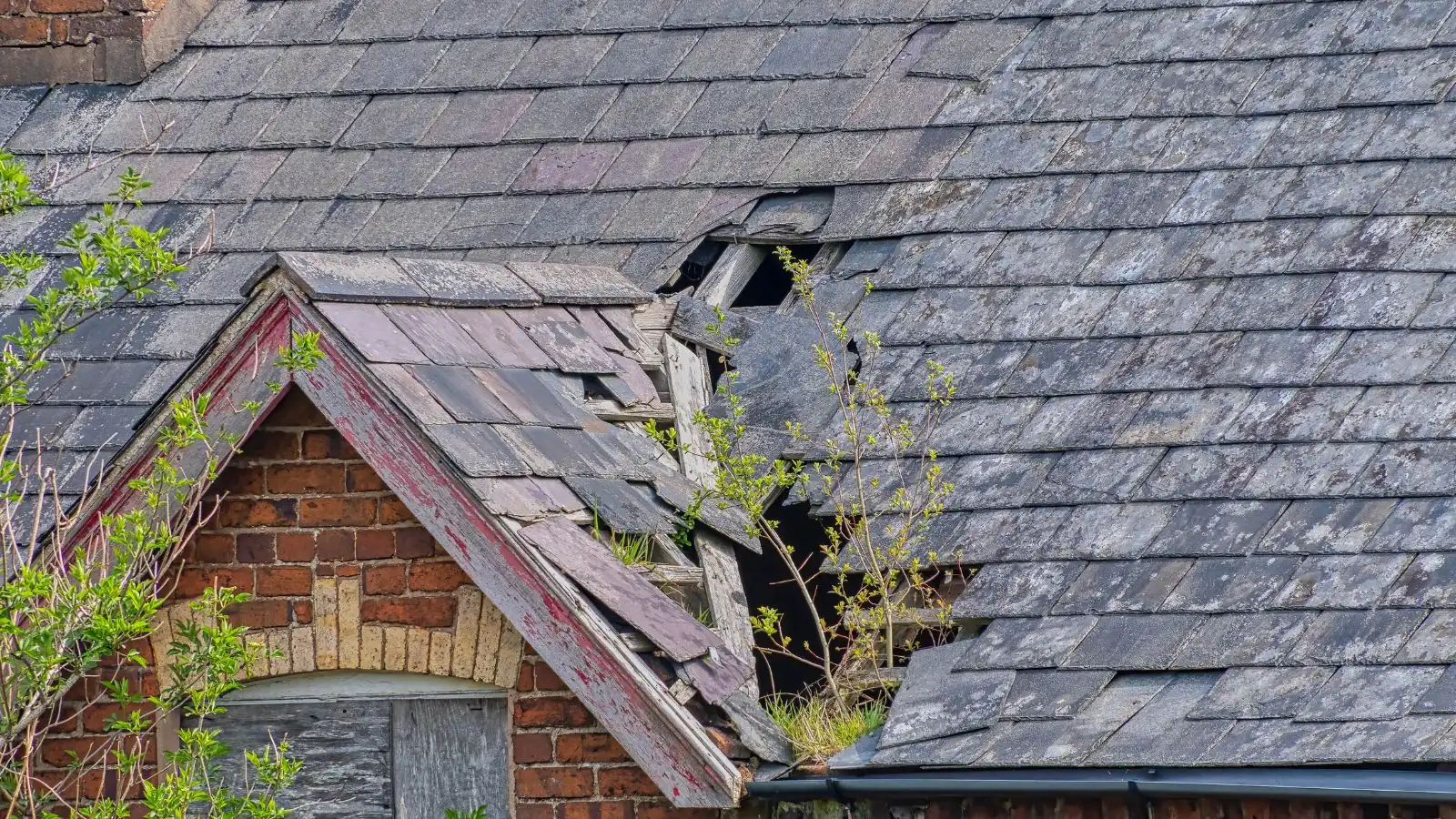
Emergency storm water damage cleanup in Waukegan covers rain that entered a building through a damaged roof, window, siding or chimney during a storm. It is different from flood damage, where water rises from the ground. If rain is coming in right now, call the 24/7 dispatch line, protect what you can reach safely and use the steps below while a crew is arranged.
Rain coming in after a storm: what to do first
- Stay out of rooms with sagging ceilings and keep clear of downed lines. Anything that smells of gas or looks electrical is a job for the utility or 911 first.
- Move furniture and electronics away from the opening and cover them with plastic.
- If you can do it safely from the ground, cover broken windows with plywood or heavy plastic. Do not climb onto a wet roof.
- Photograph the exterior damage and every wet room before anything is moved.
Storm calls after dark go to the same desk, and an open crew can head out that same night.
How storm water gets in
Wind lifts shingles and flashing, hail dents roofing, and falling branches break windows and punch through decking. Rain then follows the new path. The water usually goes through insulation and ceiling drywall first, so a ceiling stain is often the first sign, and the roof damage can be hard to see from the ground.
| Storm damage | How water enters | What gets wet |
|---|---|---|
| Missing shingles or flashing | Rain runs under roofing to the decking | Insulation and ceiling drywall |
| Broken or failed window | Rain blows in at the opening | Sills, walls, floors and furniture |
| Tree or limb impact | Roof or wall is punctured | Rooms under the hole |
| Chimney or vent damage | Water follows the flue or pipe | Walls, ceilings and attic framing |
Storm cleanup, drying and temporary protection
A roofer or exterior contractor handles the roof and the openings, and crews dry and restore the inside. Tarping or boarding an opening is the first priority, because every new rain adds to the damage. After that, crews extract water, remove wet insulation and drywall that cannot dry, and set air movers and dehumidifiers.
Stained or sagging ceilings are covered at ceiling water damage repair. If water ran down walls into lower floors, wall and drywall water damage repair covers the repair. Drying follows structural drying.
Storm damage in Waukegan, and what to verify
We do not quote storm dates or rainfall figures for Waukegan, because the right sources are the National Weather Service and NOAA records. Before you decide whether a storm counts as a covered event, check the weather record for your date and read your policy wording. The Illinois Department of Insurance publishes a post-disaster claims guide that explains the claim process in plain terms.
Practical tie-back: if the damage was widespread, roofers and restoration crews fill up quickly. Calling early and protecting the opening yourself reduces the damage while you wait.
What affects the cost
No work starts until the scope and the price make sense to you. After a storm, these factors matter.
| Factor | What moves the price |
|---|---|
| Time between damage and cleanup | Rain that kept coming in adds to the wet area. |
| Water entry point | Roof entry usually wets insulation and ceilings. |
| Materials wet | Insulation, drywall and flooring have different outcomes. |
| Temporary protection | Tarps and boarding are separate from interior drying. |
| Rebuild scope | Ceilings, walls and finishes are repaired after drying. |
Wind and hail damage that lets rain in is commonly covered under a homeowners policy when the storm is a covered event. Flood damage is different and usually excluded. Ask your insurer which applies, and keep photos from before and after cleanup.
If water rose from outside rather than coming through the roof or walls, see flood damage cleanup. A business hit by a storm should also read commercial water damage restoration.
Storm water that has touched the ground is treated as more contaminated than supply water under the ANSI/IICRC S500 categories, which changes what can be dried and what must go.
Frequently asked questions
Do you handle storm water damage emergencies at night or on weekends in Waukegan?
Yes. The phone is answered all night and all weekend. Protect the opening if you can do it safely, and call.
Do I fix the roof first or the water damage first?
Cover the opening first so more rain does not enter. Interior drying can start right away, and the roofer repairs the roof on their schedule.
Is storm water damage covered?
Rain entering through storm damage is commonly covered when the storm is a covered event. Flood is usually excluded. Ask your insurer.
How do I know the roof is damaged?
Ceiling stains, missing shingles, bent flashing and attic dampness are signs. A roofer can inspect safely.
Do you tarp roofs?
Roof work is done by roofers and exterior contractors. We handle the water inside and can tell you what to ask the roofer.
Share where the water entered and how long it has been there. A crew can plan equipment before arriving.