
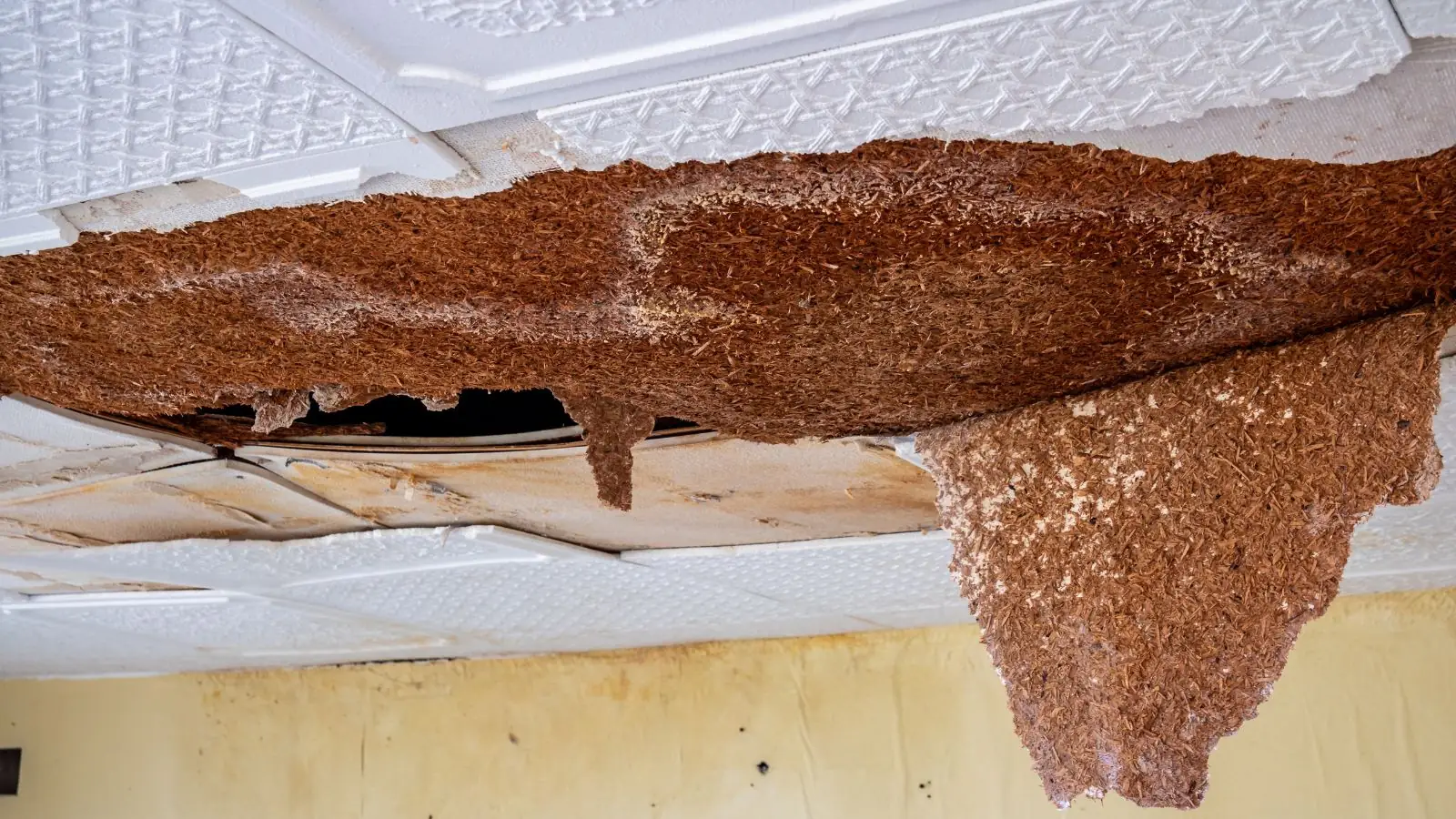
Emergency commercial water damage restoration in Waukegan is the extraction, drying and repair of water losses in offices, shops, restaurants, warehouses and multi-unit buildings. A commercial loss adds problems a house does not have, such as downtime, shared walls and tenant and landlord responsibilities. Call the 24/7 dispatch line, protect records and equipment, and use the steps below while a crew is arranged.
Business water emergency: first steps
- Close the main or zone shutoff, and ask the building manager where the shutoffs are if you are a tenant.
- Do not touch electrical panels, outlets or computer equipment in wet areas. Leave electrical and gas hazards to the utility or 911, then call dispatch.
- Lift records, inventory and electronics off the floor and cover them with plastic.
- Photograph the loss, the source and the inventory affected before anything is moved.
- Notify the landlord or property manager and your insurer.
Nights, weekends and holidays reach the same dispatch desk, which books same-day visits when a crew is open.
What is different about a commercial loss
A commercial building has larger floor areas, shared ceilings and walls, ceiling tile grids, carpet tile, commercial HVAC and electronics. Water can pass through a shared wall into a neighboring tenant space, which brings in that tenant, their insurer and the landlord. Decisions about who pays for what are not made by a restoration crew, but the documentation the crew produces is what everyone else relies on.
| Type of business | Common water source | Main concern |
|---|---|---|
| Restaurant or food service | Dishwasher, grease trap, supply line | Shutdown time and sanitation |
| Office or retail | Roof leak, sprinkler or supply line | Records, inventory and customer access |
| Multi-unit or condo | Unit above, shared riser | Several occupants and policies |
| Warehouse or shop | Roof, floor drain, storm | Stock on the floor and equipment |
How a commercial job is run
Crews start with a scope walk, mapping the wet areas with moisture meters and thermal cameras, then extract standing water and set drying equipment. Work is sequenced around business hours where possible, so you can keep part of the space open. Ceiling tile, carpet tile and insulation that cannot be dried are removed and replaced.
Documentation matters as much as the drying. Moisture logs, photos, equipment records and material lists support insurance claims and landlord disputes. The drying method follows structural drying and the first stage is water extraction.
Commercial water damage in Waukegan
Waukegan businesses range from Downtown and Genesee Street storefronts to shops along Grand Avenue, Lewis Avenue and Sheridan Road and larger sites such as Waukegan SportsPark on West Beach Road. In a multi-tenant building, tell dispatch who shares your ceiling, wall or riser. The shared surfaces are where a loss tends to spread past your own space.
Practical tie-back: the City of Waukegan building department decides which permits apply to a rebuild, and your landlord decides who hires the contractor. Ask both early, because permits and landlord consent can delay the repair after drying finishes.
What affects the cost
Scope and price come first, work second. Commercial pricing follows the building and the downtime.
| Factor | What moves the price |
|---|---|
| Square footage and layout | Larger and open areas mean more equipment and days. |
| Water category | Sprinkler or supply water is simpler than drain or flood water. |
| Materials affected | Ceiling tile, carpet tile and drywall each have different outcomes. |
| Business hours and access | Phasing work around operations changes the schedule. |
| Rebuild scope | Finishes and fixtures are replaced after drying. |
Commercial property policies often cover sudden water losses, and some include business interruption coverage if you carry it. Policies differ widely. Read yours or ask your insurer or broker, and keep every record of the loss.
For a loss that began with a storm, see storm water damage cleanup. If drains backed up into the space, sewage backup cleanup has the safety rules.
Buildings with shared walls, such as those in Downtown Waukegan, add questions about neighbors and tenants that a drying plan has to answer.
Commercial drying plans are commonly written around the ANSI/IICRC S500 standard, so property managers and insurers can read the documentation the same way.
Frequently asked questions
Do you handle commercial water damage emergencies at night or on weekends in Waukegan?
Yes. The dispatch line answers 24 hours a day, every day, including nights, weekends and holidays. Close the shutoff, lift records off the floor and call.
Can you work while the business stays open?
Often, in part. Crews can phase the work and section off wet areas, depending on safety and how much of the building is affected.
Who pays when water comes through a shared wall?
That depends on leases, building rules and policies. Document the loss and notify the landlord and your insurer.
Do you document the loss for insurance?
Yes. Moisture readings, photos, equipment logs and material lists are kept so you can support a claim.
Can you restore inventory?
Some items can be cleaned and dried and others cannot. Ask dispatch early, and photograph everything before it is moved.
Tell dispatch whether the building is occupied and where the main shutoff is.