
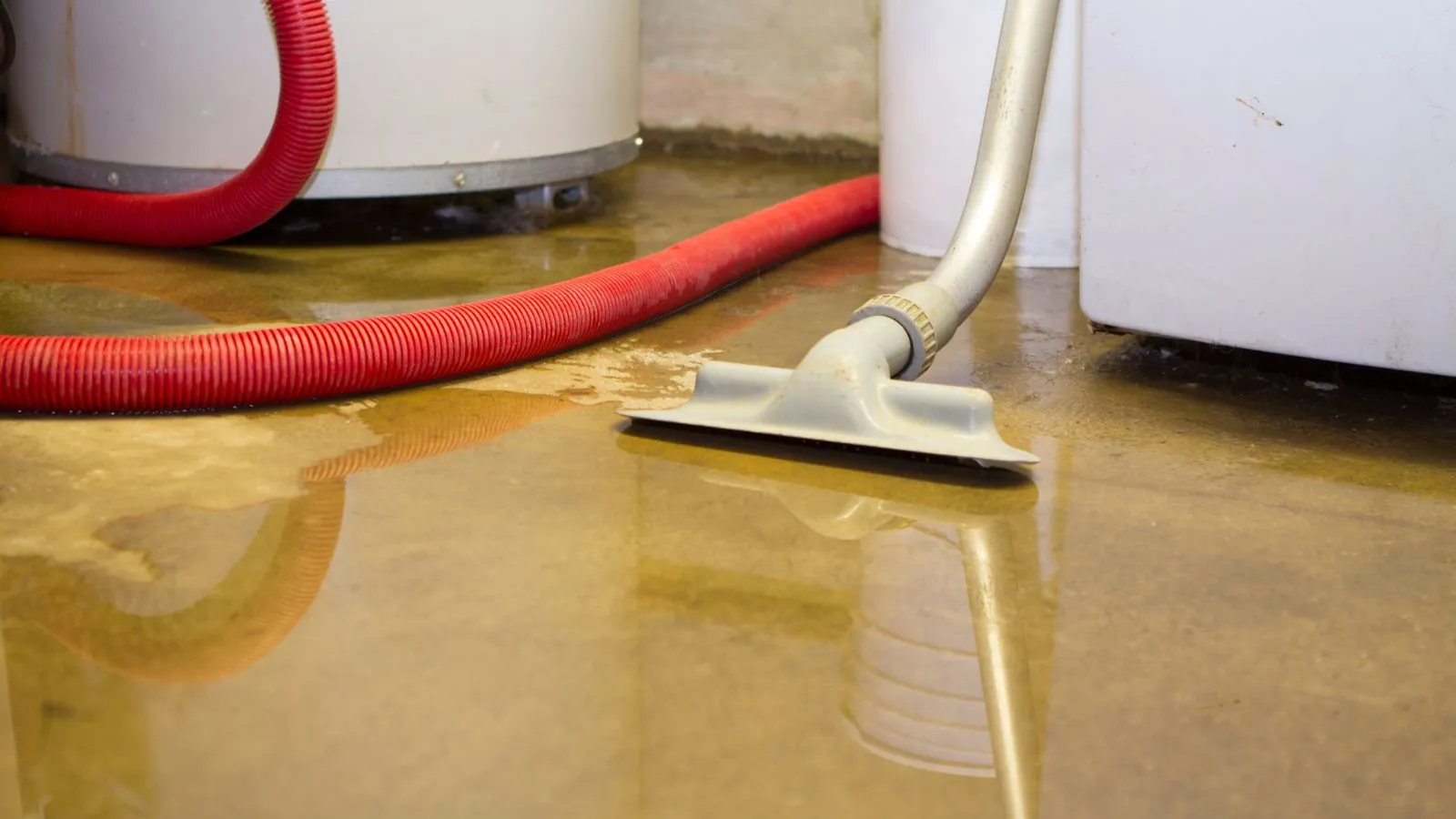
The leak is fixed, the floor looks dry and the room still smells musty. That smell is a clue. It usually means something is still damp, whether that is carpet pad, the bottom of a wall, insulation or a cavity nobody opened. Masking it does not help, and finding it does.
This guide covers where the smell comes from and what to do about it. It makes no health claims, and questions about symptoms belong to your doctor.
Where a lingering odor usually comes from
| Where it smells | Common hidden cause | What helps |
|---|---|---|
| In a carpeted room | Damp pad or subfloor under carpet | Lift a corner, check the back and the pad |
| Near a wall or baseboard | Wet insulation or drywall behind paint | Moisture meter check, open a small inspection hole |
| In a closet or utility space | AC drain overflow or a slow pipe leak | Check the drain pan and nearby plumbing |
| In a basement | Humidity, damp concrete or stored items | Dehumidify and clear stored materials |
| After sewage or flood water | Contaminated material left in place | Remove and sanitize, not deodorize |
A pin-type moisture meter and a thermal camera find damp material that touch and smell alone cannot. A smell that gets stronger when the heat or air conditioning comes on may mean air is passing through a damp cavity.
What actually removes the smell
- Find and stop any active moisture source.
- Remove materials that cannot be dried, such as saturated pad, insulation or soft drywall.
- Dry the structure with air movers and dehumidifiers until readings match a dry standard.
- Clean hard surfaces and ventilate the space.
- Only then use odor control, such as air scrubbing or a cleaning treatment, if the smell remains.
Odor products that cover the smell without drying the material let the problem continue. The structural drying page explains how moisture is measured, and carpet odors are covered at carpet water damage restoration.
When a smell may mean mold
Mold needs moisture, and a musty odor with a history of water is a reason to inspect. Look for dark or fuzzy spots, stains that return after cleaning or paint that bubbles. If you find growth over more than a small area or the smell cannot be traced, see mold remediation for the process and the role of independent testing.
A smell that appeared after sewage or a backup is a different problem. Contaminated porous materials are removed rather than deodorized, as described on sewage backup cleanup.
Simple steps while you investigate
- Run a dehumidifier in the room with the doors closed, and empty it often.
- Move furniture away from walls so air can reach the baseboards.
- Check closets, behind furniture and under sinks for damp spots.
- Do not paint or seal anything until the area is dry.
Waukegan notes from primary sources
Waukegan has older housing. The Near North Historic District, listed on the National Register of Historic Places in 1978, covers about 203 acres with buildings from the 1840s to 1928. Whatever the neighborhood, the age and materials of your own house decide how a smell behaves, so tell the technician what your walls and floors are made of.
The Illinois Department of Public Health maintains a mold page and says its registration program for mold remediation is not yet in effect. For questions about hiring, check that page.
The same advice applies in Wadsworth and Lake Villa, where homes of different ages hold moisture differently.
Why smells linger in some rooms and not others
Odor moves with air and water. Basements hold smells because cool, still air keeps moisture in place. Carpets and pads act like sponges and release odor each time humidity rises. Fabric, cardboard and unsealed wood hold smells for months if they never fully dried.
Some wall and floor materials hold moisture longer than others, and the age of a house can matter. Waukegan has older neighborhoods, including the Near North Historic District, but your own house is the better guide, so a smell that returns in humid weather deserves a moisture check.
If you can smell it only on humid days, the cause is probably moisture and not leftover spills. Ask a pro to take readings behind baseboards and under flooring. The carpet page and the basement page explain where those readings are taken.
Keep a simple log for a week. Write down where the smell is strongest, what the weather is doing and whether the dehumidifier is running. A pattern in those notes helps a technician find the source quickly. A smell that gets stronger after a shower or a rainstorm is a clue that water is still reaching a hidden spot.
Do not cover it with scented products. They mask the signal you need to find the cause.
Frequently asked questions
Why does my house still smell after a leak was fixed?
Something is probably still damp, such as pad, insulation or a wall cavity. Moisture readings find it.
Will an air freshener or deodorizer work?
It may cover the smell for a while. Unless the damp material is dried or removed, the smell returns.
Can I test for mold myself?
Home kits are available, but they do not tell you where the moisture is or how much is present. An independent assessor can inspect and test.
Does the smell mean I need to replace carpet?
Sometimes. If the carpet or pad stayed wet for long, replacement is often better than treating the smell.
How long should a smell last after drying?
A smell tied to damp material should fade as the material dries. If it persists after drying, look for another source.
Describe where it is strongest and when the water first appeared.