
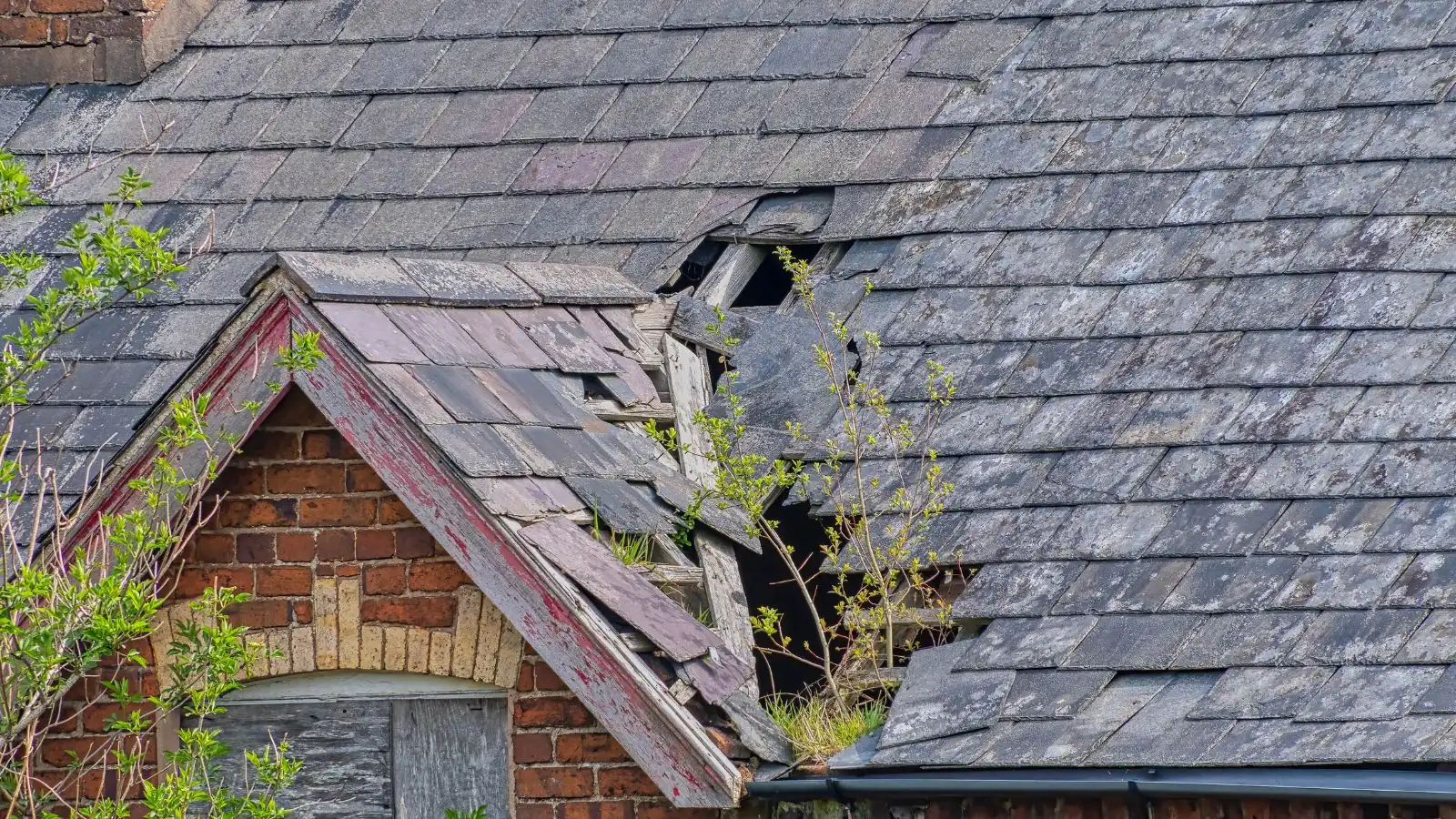
The best time to prepare for storm season is a dry weekend. A few hours of checks can prevent water from entering through the roof, windows or basement, and can make the first hour of a storm much calmer. This checklist focuses on the things homeowners can do without a contractor.
Outside the house
- Clean gutters and downspouts so water flows away from the house. Extend downspouts several feet from the foundation.
- Look at the roof from the ground for missing or lifted shingles, and ask a roofer to inspect anything that looks wrong.
- Check caulking around windows and doors, and look at the flashing around chimneys and vents.
- Clear window wells of leaves and debris, and make sure covers are secure.
- Check the grading near the foundation. Soil should slope away from the house.
- Trim branches that overhang the roof.
In the basement and utility area
- Test the sump pump by pouring water into the pit until the float lifts and the pump runs.
- Check the discharge line to be sure it drains away from the house and is not frozen or blocked.
- Consider a battery backup for the pump, since storms often cause power outages.
- Lift stored boxes off the floor onto shelves, and keep valuables in plastic bins.
- Know where the main water shutoff and the electrical panel are, and make sure everyone in the house can find them.
If a storm does let water in, storm water damage cleanup explains the first steps, and a flooded lower level is covered at basement water damage cleanup.
Paperwork and insurance
Take photos or video of every room and your belongings now, and store them somewhere other than the house. Gather your policy and your insurer contact number into one folder. Check whether you have a water backup or sump overflow endorsement, and whether you want flood coverage.
The Illinois Department of Insurance notes that flood insurance typically goes into effect 30 days after purchase. That means flood coverage bought after a forecast is too late. Standard homeowners policies exclude flood, so the decision has to be made in advance.
| Before the storm | Why it matters |
|---|---|
| Photograph rooms and belongings | Supports an inventory and claim later |
| Locate shutoffs and the panel | Saves time in an emergency |
| Check your policy for backup coverage | Sump and sewer backups are often excluded by default |
| Decide about flood insurance | Typically a 30-day wait before it takes effect |
| Charge phones and gather flashlights | Power outages often come with storms |
During and after the storm
Stay out of flooded areas, keep clear of downed lines and do not touch electrical equipment in wet rooms. If water enters, stop the source if you can, protect belongings and call dispatch. Photograph the damage before moving anything.
Waukegan storm notes from primary sources
Lake County has a Stormwater Management Commission that publishes flood response information, and the FEMA Flood Map Service Center shows mapped flood risk for your address. We do not quote flood zones or storm dates from memory.
The village of Wadsworth sits on the east bank of the Des Plaines River, according to the Chicago Historical Society encyclopedia, so homeowners there should check the FEMA map for their own address.
Lake Villa public works, in Lake Villa, maintains the village storm and sanitary sewers, and reports problems through its service request portal.
A short checklist to keep on the basement wall
When a storm hits, nobody wants to search for a plan. Write a short checklist and tape it near the utility area so anyone in the house can follow it.
- Know where the main water valve and the electrical panel are
- Move boxes and valuables off the floor and onto shelves
- Test the sump pump by pouring water into the pit before heavy rain
- Keep a flashlight, a phone charger and the dispatch number in one place
- Photograph the basement and the exterior once a year as a baseline
Do not wade into water near outlets or the panel. Call the utility or 911 if there is any electrical or gas risk. When water does get in, storm water damage cleanup and flood damage cleanup explain what follows. Neighbors in Wadsworth and Lake Villa can use the same list.
Think about what you would grab if you had two minutes. Keep copies of your insurance policy, a photo inventory of valuables and the dispatch number in a waterproof bag. Store the bag above the basement level. After a storm, these small steps save time when an adjuster or a crew asks for details.
If you rent, ask the landlord about the sump pump and the shutoffs, and keep renters insurance current.
Frequently asked questions
How often should I test my sump pump?
Many plumbers suggest testing before storm season and after any heavy rain. Ask a plumber about the right schedule for your pump.
Do I need flood insurance in Waukegan?
Check the FEMA Flood Map Service Center for your address, and ask your insurer. Remember the typical 30-day wait.
What should I do if the power goes out during a storm?
If you have a sump pump, a battery backup can keep it running. Without one, monitor the basement and stay out of wet areas near the panel.
Are gutters really that important?
Yes. Clogged gutters send water down walls and toward the foundation, where it can seep into basements.
Who pays when a storm damages my roof?
Wind and hail damage is often covered when the storm is a covered event. Ask your insurer and keep photos.
Preparation helps, but when water gets in, speed matters. Call and describe what you see.