
A water bill that jumps with no change in how you live is a warning sign. It does not always mean a pipe has burst. A running toilet, a dripping fixture, a new guest or a longer billing period can all raise a bill. A hidden leak can too, and finding it early avoids damage later.
This guide covers the checks homeowners can do themselves and when to call a plumber or restoration crew.
Start with the bill itself
Compare this bill with the same month last year and with the previous bill. Check the dates on the bill, because a longer billing period raises the total even when use stays the same. Check whether the bill is an estimate or an actual meter read, since a catch-up read after estimates can look like a jump.
The City of Waukegan lists a Water Bill Online service on its website. Use it to view usage history, and call the city if the numbers do not make sense.
Two tests you can do in ten minutes
- The meter test. Turn off every fixture and appliance that uses water. Find the water meter and look at the small leak indicator or the dial. If it moves while nothing is running, water is leaving the house somewhere.
- The toilet test. Put a few drops of food coloring in each toilet tank, wait fifteen minutes without flushing and check the bowl. Color in the bowl means the flapper is leaking.
A toilet flapper leak is the most common cause of a bill that jumps with no visible water. It is a cheap fix, but it can waste a lot of water.
| Sign | Likely cause | Who to call |
|---|---|---|
| Meter moves with everything off | Leak between the meter and fixtures | Plumber, with leak detection if hidden |
| Color shows in the toilet bowl | Worn flapper or fill valve | Homeowner or plumber |
| Warm or damp spot on a floor | Possible hot line leak under the floor | Plumber and see slab leak guidance |
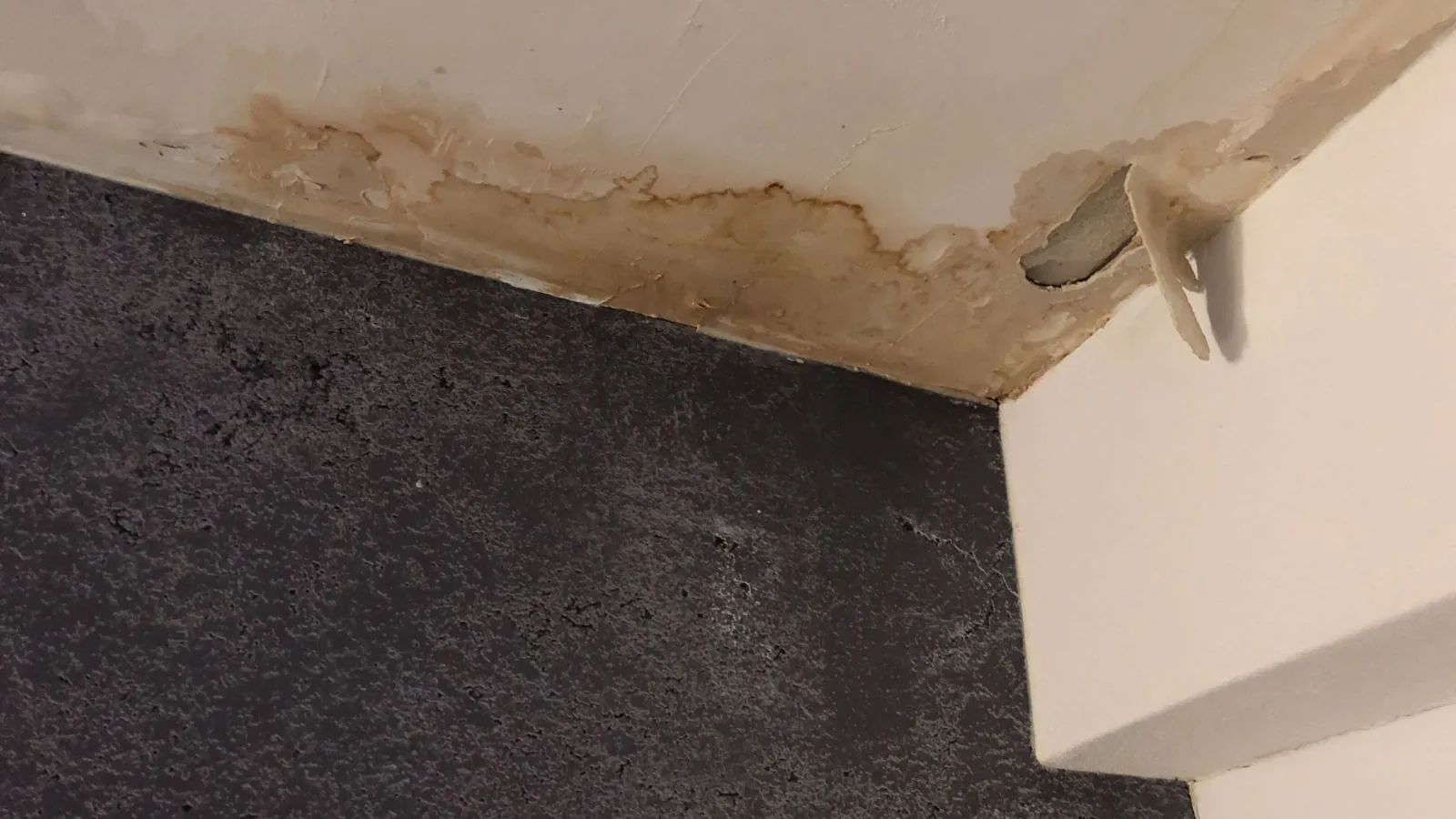
| Stain on a ceiling or wall | Leak behind the surface | Plumber, then restoration for drying |
Where hidden leaks hide
Leaks sit behind walls, under floors, in crawl spaces and in lines buried between the meter and the house. Outdoor spigots, irrigation lines and shut-off valves leak too. Some leaks only run when a fixture is on, so the meter test catches only the constant ones.
If a leak has wetted drywall or flooring, drying should start quickly. The slab leak page explains warning signs for lines under a concrete floor, and wall and drywall water damage repair covers a leak inside a wall.
Check for leak adjustment help
Some water utilities offer a one-time adjustment when a leak caused a high bill. Ask whether yours does and what proof they need, such as a plumber invoice. The City of Waukegan can answer that for city water customers.
Waukegan water notes from primary sources
The City of Waukegan water system draws from Lake Michigan through two raw water intakes, according to the engineering firm that evaluated and upgraded the system. The city website offers an online water bill service.
If you live in a nearby village such as Lake Villa, the village public works department runs the local water system, and a call to them settles billing questions. In Wadsworth, the village hall is the first call.
We do not quote water rates here because they change. Use your own bill.
What a slow leak can do before you see it
A bill that climbs quietly often points to a small leak running day and night. A toilet flapper that does not seal, a dripping supply line behind a cabinet or a leak under a slab can all waste water without leaving a puddle. The meter keeps counting even when nothing looks wrong.
Damage builds out of sight. Drywall wicks water upward, wood swells slowly and a damp cavity can grow mold well before a stain shows. If a leak test points to water loss and you find soft spots, bubbled paint or a musty corner, treat it as damage and not only as a plumbing job.
For floors that stay warm or damp over a pipe, see slab leak water damage. For leaks behind cabinets, kitchen water damage restoration explains how the hidden areas get dried after the repair.
Keep a record of your meter readings once you suspect a leak. Take the same reading at the same time each day with no water in use, and write the numbers down. A rising number with everything off is clear evidence that water is escaping somewhere.
Frequently asked questions
How do I find my water meter?
It is usually in a basement or utility area near where the line enters the house, or in a covered box near the street. Your utility can tell you where yours sits.
Can a toilet leak raise my bill that much?
Yes. A toilet that runs constantly can waste a large amount of water without a visible puddle.
What if the meter test shows a leak but I cannot find it?
Call a plumber who does leak detection. Hidden leaks in walls, under floors or in buried lines need equipment.
Will my insurance cover a hidden leak?
Sudden leaks are often covered, while long-term leaks often are not. Ask your insurer.
Should I turn the water off if I suspect a leak?
Shutting off the main is the safest way to stop water while you wait for a plumber, if you know where the valve is.
If you find damp walls or floors, call and describe where. A crew can check how far it has spread.