
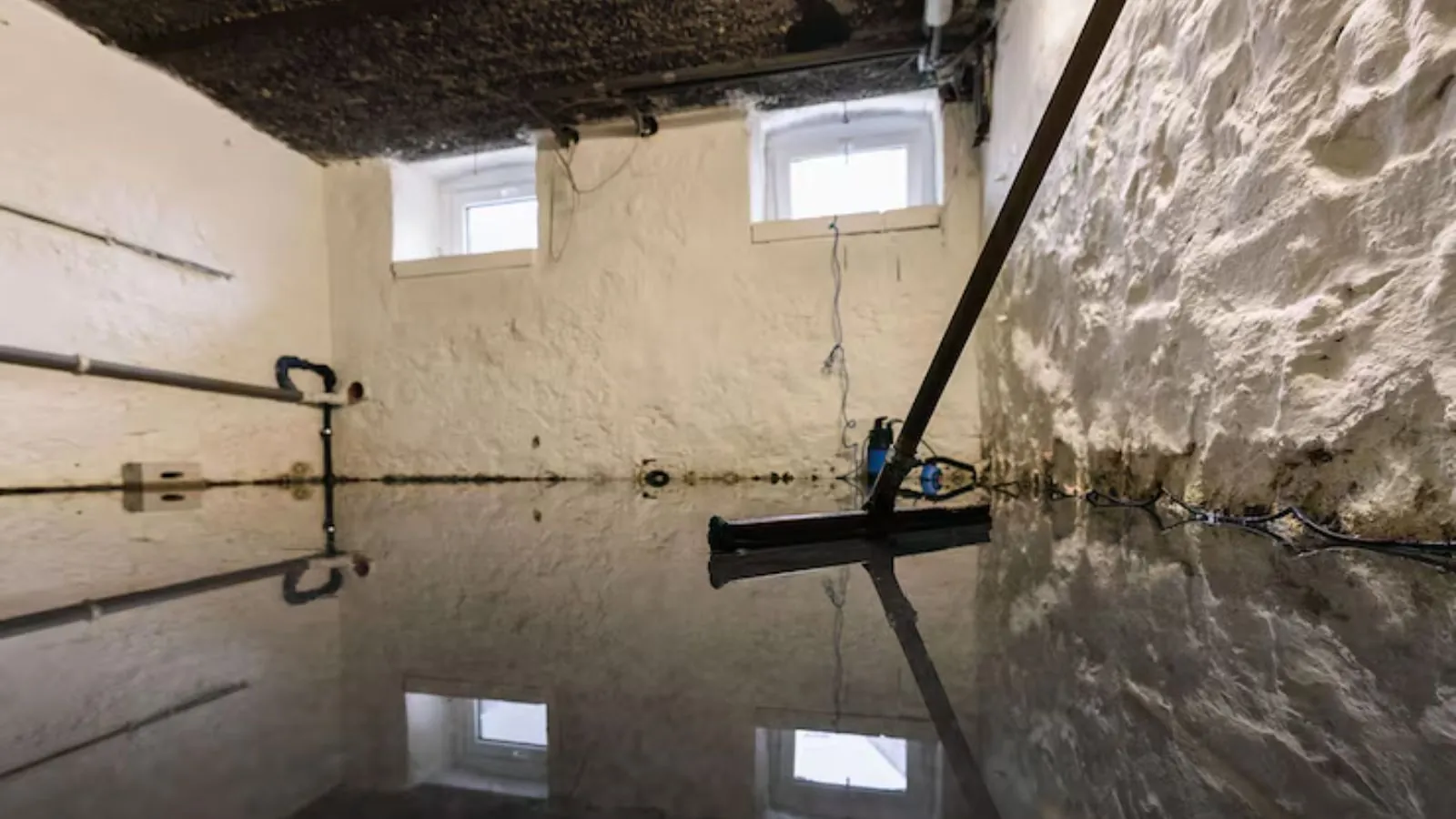
Selling a home with a history of water damage worries many owners. The sale can still go forward, but the process goes better when the damage was fixed properly, the records exist and the disclosure form is answered honestly. This guide explains what the Illinois statutory form asks and how repairs, documentation and timing fit around it.
This is general information, not legal advice. Ask a real estate attorney or your agent about your own sale.
What the Illinois disclosure form asks
The Illinois Residential Real Property Disclosure Act sets a seller form with statements the seller marks as aware, not aware or not applicable. Several of them concern water. The wording below is quoted from the statute as published.
| Item on the form | Wording |
|---|---|
| Flood hazard insurance | I currently have flood hazard insurance on the property. |
| Basement or crawl space | I am aware of flooding or recurring leakage problems in the crawl space or basement. |
| Floodplain | I am aware that the property is located in a floodplain. |
| Foundation | I am aware of material defects in the basement or foundation. |
| Roof and ceilings | I am aware of leaks or material defects in the roof, ceilings, or chimney. |
| Plumbing | I am aware of material defects in the plumbing system. |
If you know of a problem, the form is the place to say so. Past water damage that was repaired is commonly described on the form with the date and the repair, and your agent can help you word it. Check the current form before you rely on this summary.
Repair first, then document
A listing goes better with a dry, repaired house and papers that show it. After a leak, a crew dries the structure, removes materials that cannot dry and records moisture readings. Those records show the water was handled, which answers questions a buyer or inspector will ask.
- Keep the moisture log, photos and invoices from the cleanup.
- Keep plumber invoices that name the cause and the repair.
- If mold was found, keep the remediation scope and any clearance report.
- Keep insurance claim documents if a claim was paid for the loss.
Drying details are on the structural drying page, and if mold is involved, mold remediation explains independent clearance testing.
What inspectors and buyers tend to look for
Buyers hire inspectors who check basements for stains and efflorescence on walls, ceilings for brown rings, flooring for cupping, and moisture readings near plumbing. A repaired stain that still reads damp raises questions, so make sure the area is dry before listing and that paint is not covering an active leak.
If a buyer's lender will not fund until a problem is fixed, treat the timeline seriously. Mold or water issues found late can delay closing, and we make no promise about whether any lender or buyer accepts a particular report.
Waukegan sale notes from primary sources
The City of Waukegan lists Permits and Property Transfer among its online services. Ask the city what applies to your sale and whether your past repairs needed permits, since unpermitted work is a common question at closing.
Illinois statute text is on the state legislature and Justia pages for 765 ILCS 77. The form wording above comes from Article 2.
If your property is in a nearby village such as Wadsworth or Lake Villa, ask that village hall about local permit records instead.
Talking to buyers without making it worse
Buyers and agents read silence as a warning sign. A short, factual statement works better than avoiding the subject. Say what happened, when it was fixed, who did the work and where the paperwork is. Then hand over the file.
Keep the tone plain. Do not minimize the damage and do not speculate about what might still be wrong. If a buyer asks for a moisture reading, agree to an inspector visit instead of arguing. A dry reading taken by a neutral party carries more weight than any explanation you can offer.
If drying has not happened yet, the order matters. Water extraction and drying come first, then repair, then the paperwork. Selling a house with open, wet walls usually costs more than finishing the work, because buyers price in the unknowns.
If you are not sure what to disclose, read the form and answer it honestly, and ask a real estate attorney about gray areas. We are not lawyers and cannot advise on legal duties. What we can do is document the drying and repair, so your file is complete.
Frequently asked questions
Do I have to disclose past water damage in Illinois?
The form asks whether you are aware of certain conditions, including recurring leakage in a basement or crawl space and material plumbing defects. Ask an attorney or your agent how your history fits the form.
Can I sell without fixing the damage?
Some sellers do, with disclosure and a price adjustment. Fixing it first often makes the sale smoother. Your agent can advise on your market.
Should I paint over a water stain before listing?
Not before the area is dry and the source is repaired. Painting over a damp stain can hide a leak that an inspector will find anyway.
What records should I keep after a leak?
Moisture logs, photos, plumber and cleanup invoices, remediation scopes and any insurance claim documents.
Does insurance history affect a sale?
Insurance claims can show up in reports that buyers or lenders review. An agent or attorney can explain how that works for your sale.
Describe the damage and the timeline. Dispatch will explain what dry, documented repairs look like.