
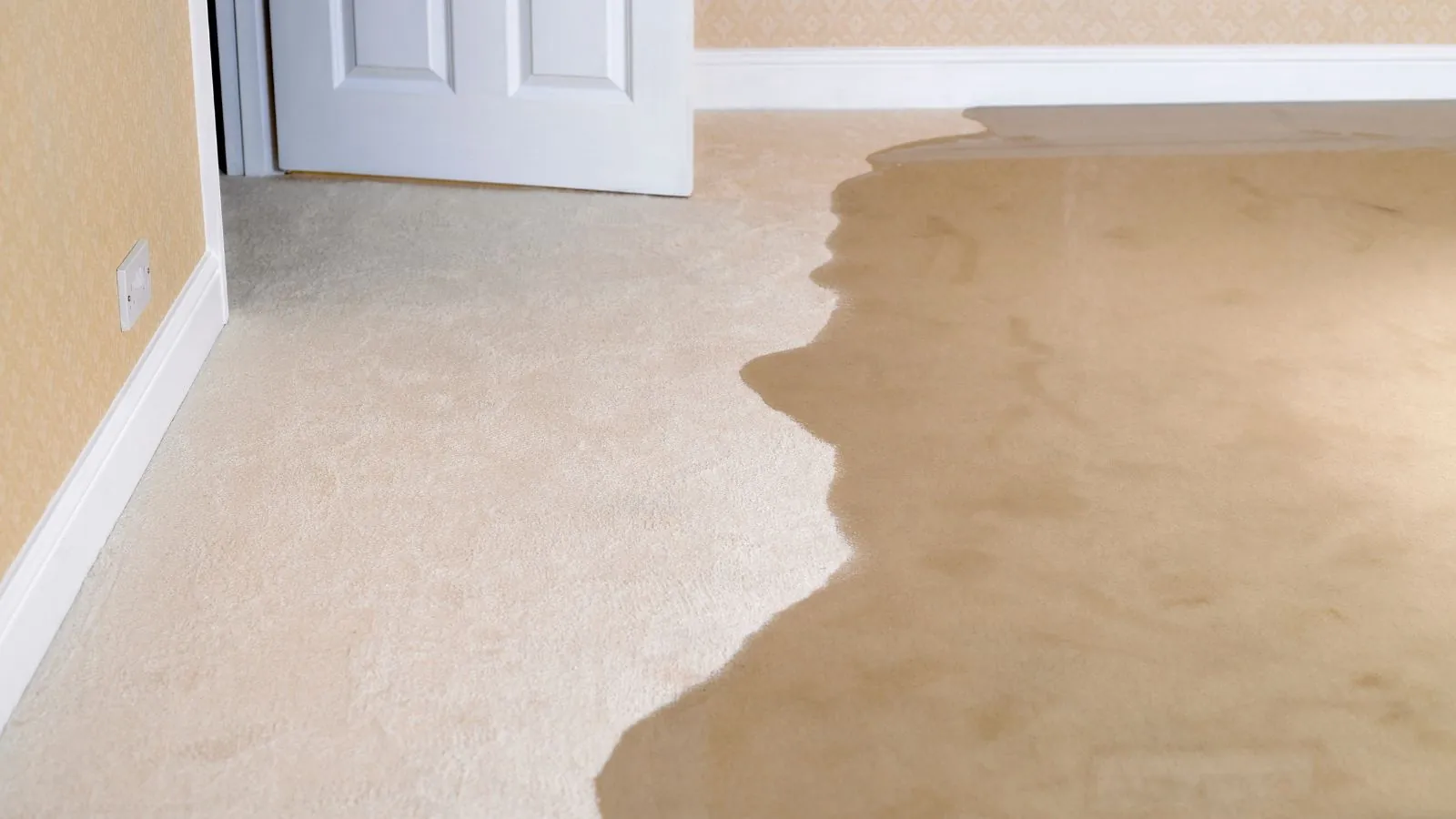
A leak that reaches a bedroom or living room often soaks a mattress, a sofa or a chair before anyone notices. The question is whether to dry it or let it go. The answer depends on what the water carried, how long the furniture stayed wet and what it is made of.
First, ask what kind of water it was
Clean water from a supply line is the best case. Water from a washing machine drain, a toilet overflow, flood water or sewage carries contamination, and soft furniture that soaked in it is usually discarded because it cannot be sanitized reliably. If you are not sure of the source, treat the water as contaminated.
What can usually be saved and what usually cannot
| Item | Clean water, caught fast | Contaminated water or left wet |
|---|---|---|
| Mattress | Possibly dried if only the surface got wet | Usually discarded |
| Memory foam and pillow top | Hard to dry fully | Discard |
| Upholstered sofa or chair | Frame may be dried, cushions case by case | Discard the upholstery |
| Solid wood frames and tables | Often dried and kept | Often cleaned and sanitized |
| Leather | Dry slowly, may crack | Often discarded |
| Pillows and cushions | Wash and dry if the care label allows | Discard |
A mattress that soaked through to the core is almost never worth saving, because the inner layers keep water for days and odors follow. A mattress with a damp surface that is lifted and dried quickly has better odds.
Steps for drying soft furniture
- Stop the water source and move the furniture out of the wet area.
- Lift the item off the floor and stand it on end or on plastic blocks, so air reaches every side.
- Blot and press out water with towels. A wet vacuum can pull water from cushions.
- Use fans and a dehumidifier in a closed room. Avoid direct heat, which can warp frames and set odors.
- Check again after a day. If it still feels damp or smells, plan to discard it.
The same principles, scaled up, are what crews use for floors and walls. See structural drying for how moisture is measured, and carpet water damage restoration for the carpet under the furniture.
Photograph before you discard
Take photos or video of each item, note its age and approximate price, and keep tags or labels if you can. These help with an insurance claim. Ask your insurer before you throw anything away, and keep a swatch or a photo of any item that was destroyed.
Check what is under and behind the furniture
Furniture hides a wet spot. Pull sofas and beds from the wall and check baseboards, carpet pad and the wall behind. If the room smells musty a few days later, something is still damp. See mold remediation if you find growth on or behind furniture.
Waukegan notes from primary sources
The City of Waukegan water system draws from Lake Michigan, so a supply line leak that soaks furniture starts with clean municipal water. A leak from a drain or a sewer backup is treated as contaminated.
The Illinois Department of Insurance says standard homeowners and renters policies exclude flood damage, so ask your insurer whether furniture lost to flood water is covered under any policy you hold.
Households in Wadsworth and Lake Villa follow the same approach, and the village halls can explain local bulk waste pickup for discarded furniture.
Smaller soft items and what to do with them
Cushions, pillows, rugs and stuffed furniture follow the same logic as a mattress. Clean water that is caught fast gives you a chance. Water that sat for days, or that came from a drain or a flood, usually means the item goes.
- Remove cushion covers and dry them flat, away from direct heat
- Stand cushions on edge so air reaches every side
- Blot, do not rub, because rubbing pushes water deeper
- Move items to a room with a fan and a dehumidifier running
- Bag and set aside anything you plan to claim, and photograph it first
Heavy rugs are slow to dry and can hide mold under the backing. A rug that stays damp for two days should come out of the house. The floor under it matters as much as the item. See carpet water damage restoration and hardwood floor water damage repair for what that check involves.
Do not sleep on or sit on furniture that is still damp. Damp foam and fabric can grow mold, and the smell tends to show up a few days later. If you are unsure whether a piece is dry, press a towel on it for a minute and check for moisture. When in doubt, give it more time with air moving over it.
Keep damaged pieces apart from dry furniture so moisture and odor do not spread.
Frequently asked questions
Can a wet mattress be saved?
Only if the surface got wet from clean water and it was lifted and dried quickly. Soaked or contaminated mattresses are usually discarded.
Is a wet sofa worth drying?
Sometimes the frame is. Cushions and upholstery that soaked or touched contaminated water usually are not.
Can I use a hair dryer or heater to speed it up?
Direct heat can warp frames and trap odors. Fans and a dehumidifier are safer.
How do I know it is dry?
It feels dry all the way through, smells neutral and shows no damp spots after a day in a closed, ventilated room.
Will insurance replace my furniture?
It depends on the cause and your policy. Photograph everything and ask your insurer before discarding.
Tell the dispatcher what got wet and for how long. Floors and walls need a check too.